How to Buy Land or Build a Home Around Monroe
April 23, 2026
April 23, 2026
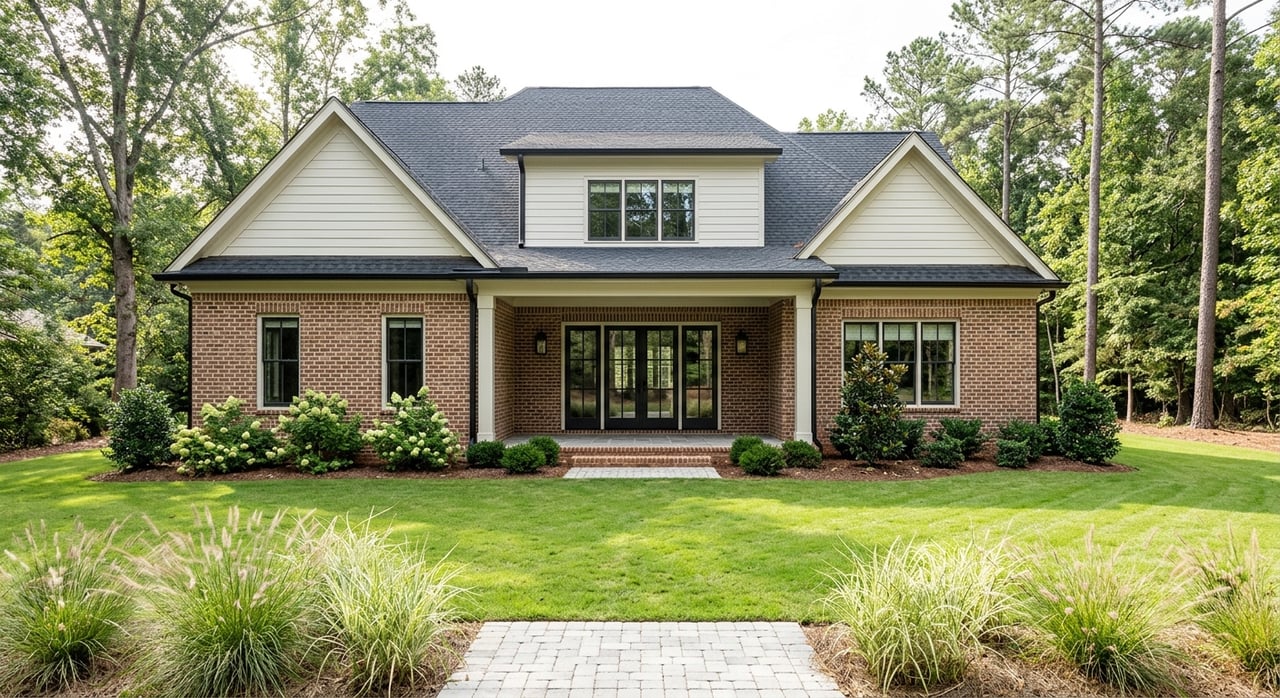
Thinking about buying land or building a home around Monroe? It can be exciting to picture your future home on a beautiful lot, but raw land comes with more moving parts than many buyers expect. Before you make an offer, you need to know how zoning, utilities, septic, floodplain status, and permits could affect what you can actually build. If you want a clearer path forward in Monroe and Walton County, this guide will help you know what to check first. Let’s dive in.
One of the biggest questions is whether the parcel is inside Monroe city limits or in unincorporated Walton County. That single detail can shape everything from zoning rules to utility access and permit steps.
Within Monroe, some properties may fall under the city’s current zoning ordinance, while parcels in the city core can also be governed by the Character Based Code and Regulating Plan. Outside the city, buyers typically work through Walton County Planning & Development and other county departments.
This matters because a lot that looks simple on paper may follow a very different approval path depending on which side of the city line it sits. Before you get attached to a parcel, confirm the jurisdiction and the rules that apply.
Zoning tells you how a property can be used, but it also affects lot size, setbacks, and development standards. You should never assume a parcel is buildable just because it is being marketed as land for sale.
Monroe provides GIS and zoning map tools, and Walton County also has a land use map and planning resources. These tools can help you understand what district applies and whether the parcel has any planning limitations you need to explore further.
In Walton County, minimum lot size can change based on utility service. According to the county zoning ordinance, R1 lots require 21,780 square feet with public or community water and sewer, 1 acre with public or community water plus septic, and 2 acres with a private well and septic system. The ordinance also says no lot may be smaller than the area approved by the Board of Health for safe drinking water and septic operation.
Utilities can have a major impact on both your budget and your timeline. In many cases, utility access is the difference between a smoother building process and a long list of extra site-work costs.
For in-town builds, Monroe is a full-service utility provider offering electric, water, sewer, internet, natural gas, telephone, cable, and garbage or recycling. The city’s utility department can be an important first stop when you are evaluating a lot inside Monroe.
For rural or semi-rural parcels, public utilities may not be available. In those cases, you may need to evaluate septic feasibility, well placement, and possible utility extension issues before moving forward.
If a property will not connect to public sewer and water, septic and well approval become central to whether the lot works for your plans. This is one of the most important due diligence steps for land buyers around Monroe.
The Northeast Health District’s Environmental Health division handles septic tank permits, repair permits, existing system evaluations, site evaluations, and subdivision plan reviews in Walton County. Inspections are required for septic permits and repair permits, which means timing and coordination matter.
Their Walton County service request form also gives helpful timing guidance. An existing-system evaluation is listed as 1 to 3 weeks for regular service or within 7 business days for priority service. The form also notes that proof a septic tank has been pumped within the last 5 years is required before a satisfactory existing-system evaluation letter can be issued.
If the parcel needs a private well, Georgia Department of Public Health guidance says wells should be installed by a licensed contractor, and the contractor must notify the county health department before drilling. The state also lists setback standards, including at least 50 feet from a septic tank and 100 feet from a septic absorption field, so lot layout can directly affect feasibility.
Floodplain status should be checked early, not after you have spent money on plans or inspections. A parcel’s flood risk can affect where you build, how you design the site, and whether additional requirements apply.
The official source for flood hazard information is FEMA’s Flood Map Service Center. Monroe’s zoning resources also direct users to floodplain information through the city’s planning materials. Even if a lot appears dry during a showing, you still need to verify the official mapping.
Drainage and stormwater are also part of the picture. Walton County’s Stormwater Department outlines requirements related to construction-site runoff control, post-construction stormwater management, pollution prevention, and related compliance. Site work can trigger more review than buyers expect.
A parcel can look great online and still have serious access issues. Road frontage alone does not always tell the full story.
Walton County review materials require plans to show utilities, easements, buffers, setbacks, and rights-of-way. Some utility work in a right-of-way may also require Georgia DOT approval for work in state rights-of-way, according to the county’s development review comments.
That means a lot may be limited by recorded easements, restricted building areas, floodplain, or access controls that are not obvious from listing photos. Before you buy, make sure you understand how the property is legally accessed and where a home, driveway, septic field, and utilities could realistically go.
Land buying is also a records-review process. You want to know exactly what the county records say before you commit.
Walton County’s Clerk of the Superior Court records deeds, plats, liens, and related real estate documents. The county also points buyers to parcel-level property research tools for added due diligence.
Reviewing these records can help you spot issues tied to ownership history, legal descriptions, encumbrances, and recorded plats. This step is especially important when you are buying vacant land, acreage, or older parcels that may have more complicated histories.
When you build around Monroe, success often comes down to sequencing. Buying land is not just about the purchase itself. It is about making sure each approval lines up in the right order.
In Monroe, the Code Department and permit resources outline the city’s building process. The city’s residential building permit application requires a site plan, and it says all property lines must be clearly identified on site before the first inspection. It also notes that lots in newly developed subdivisions must have street-frontage sidewalks installed before initial certificates of occupancy.
Monroe’s permit packet says a recorded warranty deed and plat, civil or site plans, building plans, contractor licenses, sewer tap fees, water tap fees, electrical meter verification, and a stormwater agreement if applicable are required to obtain a building permit. The city also states that a permit is void if work does not begin within six months, and if the project is not finished within one year, the applicant must contact the Code Office to renew.
If the property is in Monroe’s historic district, CBD, or Corridor Design Overlay, the city says a certificate of appropriateness is required before site development plans are submitted for review. That can add another early step for parcels near downtown or in overlay areas.
In unincorporated Walton County, Planning & Development is the main office for residential permits, planning and zoning permits, code enforcement, and fee payment, while Public Works handles road and engineering-related functions. Since the county has a fee schedule effective September 1, 2025, it is wise to confirm current fees directly rather than rely on outdated numbers.
The right professionals can save you time, money, and frustration. Land purchases usually require more coordination than buying an existing home.
A practical Monroe-area team often includes a land-savvy buyer’s agent, a closing attorney or title company, a surveyor, a civil engineer or site designer, Environmental Health for septic or site evaluation guidance, a licensed well driller or septic installer if needed, a builder or general contractor, and a lender that handles land or construction loans.
When these conversations happen early, you can identify red flags before they turn into expensive surprises. A good process helps you move from “Can I buy this lot?” to “Can I actually build the home I want here?”
Before you move forward on a parcel around Monroe, ask these practical questions:
These questions can help you slow down in the right way. That is often the key to making a confident land purchase.
Around Monroe, buying land or building a home is rarely a one-step decision. It is a process that combines records research, zoning review, utility planning, environmental checks, and permit timing.
That is why local guidance matters. When you have someone helping you connect the dots early, you are better positioned to avoid lots that look promising but create challenges later.
If you are exploring land, acreage, or a future custom build around Monroe, working with a local team can make the process feel much more manageable. If you want help evaluating your options, connect with The Merritt Realty Group for knowledgeable, local guidance.
Stay up to date on the latest real estate trends.
October 1, 2026
September 24, 2026

September 17, 2026
September 10, 2026

September 3, 2026

August 27, 2026

August 20, 2026
August 13, 2026
August 13, 2026
Our team combines expertise with a willingness to think outside the box and break the mold to stay on the cutting edge of a shifting real estate industry. Whether you're thinking about listing a house, beginning your search for a new home, or have a question about the area, please feel free to contact us.