Buying Estate And Acreage Homes In Braselton
May 14, 2026
May 14, 2026
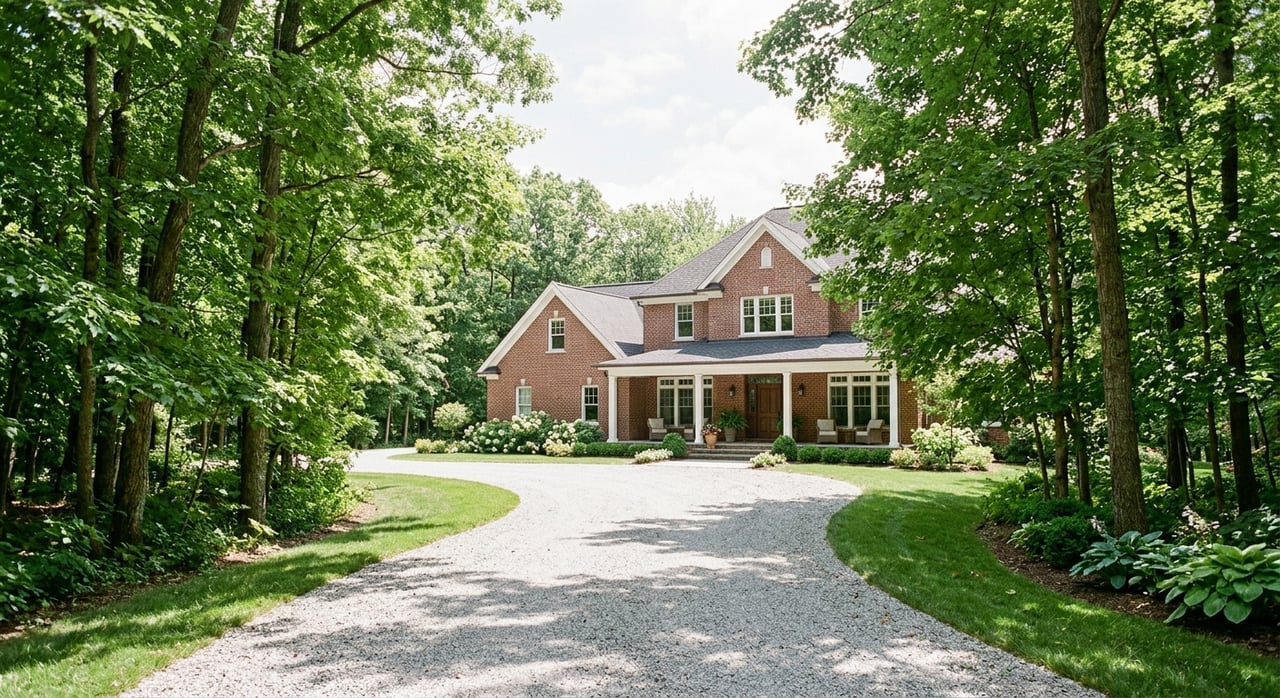
Wondering if an estate or acreage home in Braselton gives you more freedom, more privacy, or just more questions? That is usually the reality with larger properties. When you buy land and a home together, you are not just choosing square footage. You are also choosing zoning, utilities, site conditions, and future use. This guide will help you understand what to look for when buying estate and acreage homes in Braselton, Jackson County, so you can move forward with more confidence. Let’s dive in.
Braselton offers a mix that many buyers want: more space, a growing market, and access to the north and northeast Atlanta suburbs. Census QuickFacts estimates the town’s 2024 population at 17,390, which is up 29.6% from the 2020 census base. The same source reports a 2020 to 2024 median owner-occupied home value of $459,400 and median household income of $120,984.
That matters if you are shopping for an estate home or acreage property. You are not buying in a market that is standing still. You are buying in an area where growth, planning, and land use can shape both your lifestyle now and your property options later.
An acreage home is not just a standard house with more yard. In the Braselton area, larger parcels may come with private wells, septic systems, outbuildings, long driveways, open land, or room for future improvements. Each of those features can add value, but each also needs careful review.
Jackson County’s planning framework includes conservation, agricultural, rural, suburban, and urban character areas. The county says zoning changes are intended to stay consistent with those maps, and its land-use policies continue to emphasize preserving natural amenities and open space in larger residential development. For you, that means privacy and flexibility may exist, but they still sit inside a local planning structure.
One of the most important first steps is confirming who governs the property. In Braselton, broad assumptions can create problems because planning documents are organized under multiple counties, and the town’s water service area crosses county lines. A Braselton mailing address does not automatically tell you which rules apply.
Jackson County says its GIS department maintains parcel mapping and 911 addressing, and code enforcement points users to the interactive basemap to determine whether a property is in a city or in unincorporated county territory. Before you assume anything about building, dividing land, or utility service, you need to verify the parcel’s jurisdiction.
Jurisdiction affects more than the label on your address. It can influence zoning, permits, utility connections, setbacks, and how future improvements are reviewed. That is especially important if you want a detached garage, barn, workshop, pool, or potential future homesite.
If you are comparing two properties that both say Braselton, they may not have the same review process or land-use context. Parcel-level research matters more than surface-level marketing language.
Jackson County’s Unified Development Code regulates land use, the location and use of buildings, site improvements, and related public and private improvements. That means your due diligence should go beyond whether the home itself meets your needs today. You also want to understand what the parcel allows and what nearby land could become over time.
The county’s comprehensive plan says residential density should follow character areas and encourages using existing residential inventory before rezoning for new single-family subdivisions. If you are hoping a property could later be split, expanded, or redeveloped, that possibility should be checked against current zoning and the character-area map before you rely on it.
Utility status is one of the biggest details in acreage purchases. Some properties may have access to public water or sewer, while others may rely on septic, a private well, or a combination of systems. In this area, assumptions can be expensive.
Jackson County’s residential permit checklist asks for paid water and sewer receipts if applicable, or a septic tank permit if applicable. That distinction is your clue that utility setup varies from parcel to parcel. The practical lesson is simple: confirm the actual service, not the likely service.
Because Braselton’s service area crosses county lines, utility availability should be verified for the specific property. A nearby home may have different service than the one you are considering. This is one reason acreage homes need more detailed review than homes in a standard neighborhood setting.
If utility access matters to your plans, ask for documentation early. That includes existing service records, permit history, and any receipts or approvals tied to water or sewer connections.
If a home is served by septic, Jackson County Environmental Health provides residential septic permit requirements, site-evaluation requests, location-plan checklists, and a lot-size ordinance. Septic is not just a box to check. It affects where you can build, add structures, install a pool, or modify the site.
Wells require a different level of attention. Jackson County says Environmental Health does not permit or inspect wells, so buyers need to verify drilling, placement, and testing separately. Georgia DPH also says private wells are owner-responsibility systems and recommends annual bacterial testing and chemical testing every three years.
Georgia DPH requires private wells to be set back from septic tanks, absorption fields, and animal enclosures. If you want horses, livestock, or a barn layout with flexibility, those spacing rules matter. A property can look ideal at first glance but become more limited once well, septic, and outbuilding locations are mapped together.
This is why site review should happen as a whole, not as separate pieces. The home, well, septic system, open land, and accessory structures all affect each other.
Large lots often include more varied terrain, and that can be a benefit or a challenge. Low areas, stream edges, pasture sections, long driveways, and cleared spaces can all affect usability. They can also affect future permits and improvements.
FEMA’s Flood Map Service Center is the official source for flood-hazard maps, and Jackson County’s stormwater program exists to monitor runoff and reduce water pollution. Georgia DPH also says private wells should not be located in flood-prone areas unless the casing extends at least two feet above the highest known flood of record.
Many buyers pursue estate and acreage homes because they want more than the main house. You may be thinking about a detached garage, barn, shed, workshop, or pool. Those features can add function and enjoyment, but they should never be assumed.
Jackson County’s permit process includes a separate residential accessory-structure checklist. The permit materials require a site plan showing all structures, setbacks, property lines, and septic layout if applicable. That means accessory improvements should be treated as their own approval step.
If you are considering horses or other livestock, layout matters even more. Georgia DPH requires wells to be at least 100 feet from an animal or fowl enclosure. In practical terms, barn placement, pasture arrangement, well location, and septic design should all be reviewed together before you count on a property fitting your goals.
County review is only part of the picture. Jackson County Code Enforcement says it does not handle HOA covenants, bylaws, or civil disputes such as property-line disputes or property damage. So if a property is in a private community or subject to recorded restrictions, you need a separate covenant review.
This is especially important for estate-style properties where buyers may expect more freedom with fences, outbuildings, parking, or land use. County rules may allow one thing while private restrictions limit it.
Acreage homes are often easier to search by parcel facts than by neighborhood branding. Jackson County’s public records around GIS, addressing, and permitting shape how these properties are officially identified. In many cases, parcel ID, road name, acreage range, and feature set tell you more than a subdivision label.
That approach helps you separate a true acreage opportunity from a standard home on a slightly oversized lot. It also helps you focus faster on the details that matter most, such as utility setup, legal access, flood exposure, permit history, and land-use flexibility.
In Braselton, estate and acreage buying works best when you balance lifestyle goals with document-based due diligence. It is easy to fall in love with a long driveway, open pasture, or private setting. It is smarter to make sure the parcel also supports how you want to live.
If you want room for a barn, future improvements, or long-term flexibility, ask those questions before you write the offer, not after. The right property is not just beautiful. It is usable, verifiable, and aligned with your plans.
When you are ready to explore estate and acreage homes in Braselton, working with a local team that understands parcel-based research, land-use context, and the details behind larger properties can make the process much clearer. The Merritt Realty Group brings an education-first approach to helping you evaluate space, privacy, and long-term fit with confidence.
Stay up to date on the latest real estate trends.
October 1, 2026
September 24, 2026

September 17, 2026
September 10, 2026

September 3, 2026
August 27, 2026

August 20, 2026
August 13, 2026
August 13, 2026
Our team combines expertise with a willingness to think outside the box and break the mold to stay on the cutting edge of a shifting real estate industry. Whether you're thinking about listing a house, beginning your search for a new home, or have a question about the area, please feel free to contact us.